
The Growth of Digital Payments in India India is witnessing a rapid transformation towards a cashless economy, with digital transactions growing exponentially. In 2023 alone, there were 2.9 billion credit…
The Growth of Digital Payments in India India is witnessing a rapid transformation towards a cashless economy, with digital transactions growing exponentially. In 2023 alone, there were 2.9 billion credit…
What does it take to build and scale voice AI from India? Ganesh Gopalan, Co-founder and CEO of Gnani.ai, started building voice AI in India in 2016, long before the…
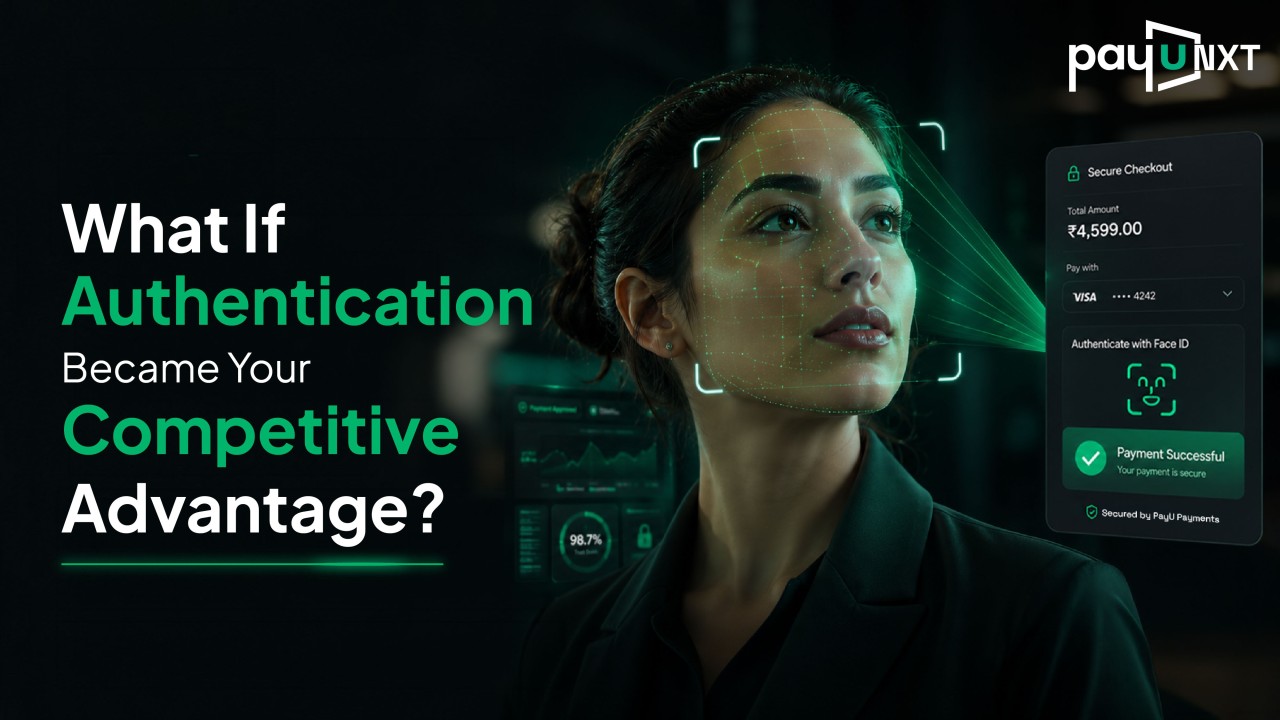
For years, the payments industry has been focused on making transactions faster. We’ve reduced the number of clicks at checkout. Saved cards have eliminated repetitive data entry. UPI has redefined…
What does it take to build a pet care brand that lasts? Akshay Gupta, Founder of Benny’s Bowl, and Kunal, Founder of Goofy Tails, have built businesses in the pet care…
A customer reaches your payment page but never completes the order. Sometimes they change their mind. Sometimes a confusing form, missing payment option or unclear transaction result gets in the…
How do you build a travel business for how India actually travels? Ritwik Khare, Founder of Elivaas, and Pranav Dangi, Founder of The Hosteller, have taken very different paths and built businesses meant to…
Choosing a payments partner becomes easier when you understand what each provider actually does. A payment facilitator may manage relationships with several merchants. A payment aggregator collects customer payments and…
Peak travel season is almost here, and every traveller is waiting for one word: Confirmed! The PNR. The booking. The tickets. All confirmed. Seeing this notification on the screen turns…
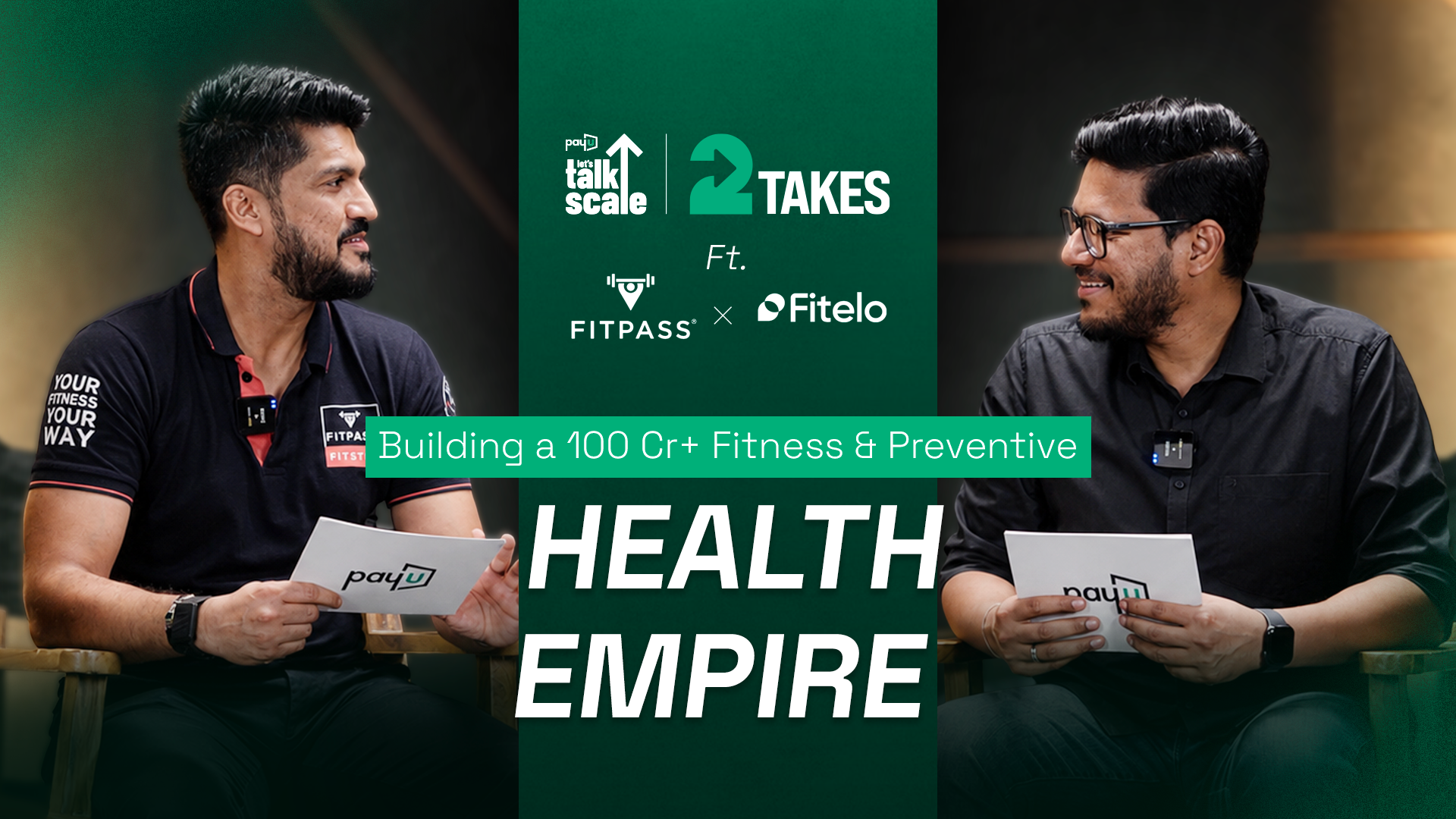
How do you scale a fitness brand when your growth depends on your customer’s consistency? Akshay Verma, Co-founder of Fitpass, and Sahil Bansal, Co-founder of Fitelo, saw the same problem….
NPCI has deferred the UPI MDR rollout until after Diwali, but the 0.4% charge on P2M payments above ₹2,000 has not been cancelled. Here’s what it means for your settlements,…
Subscriptions, memberships and repeat deliveries need a reliable recurring payment method to collect money over time. A fresh checkout every cycle can create missed due dates and operational work. A…