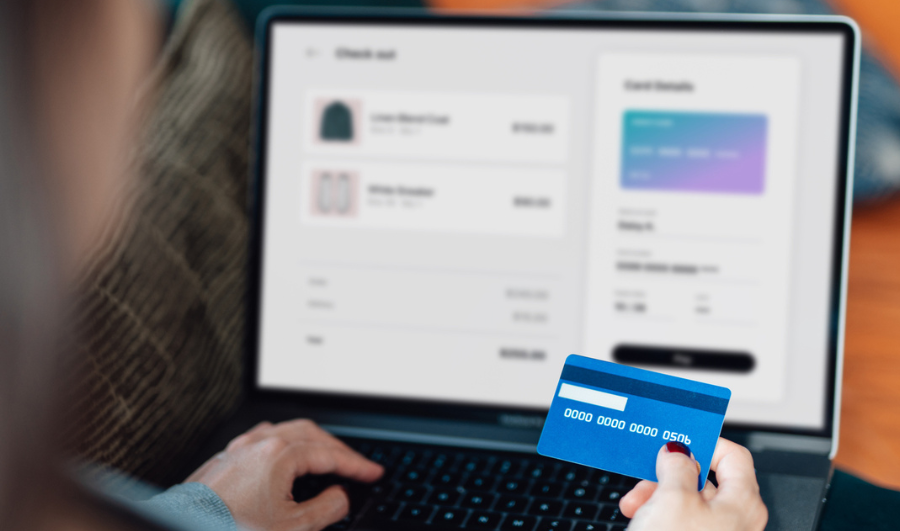
Getting customers to your website is only half the job. The real challenge begins at checkout. Customers who reach this point have already shown intent, but many still leave without completing the purchase. One of the most common reasons for this is limited choice in how they can pay.
Customers today expect flexibility. They want to complete online payments using methods they trust and use regularly. When businesses offer limited payment methods, they create unnecessary friction. Offering multiple payment options helps remove that friction and improves the overall conversion rate.
Table of Contents
Payment Choice Directly Affects Buying Decisions
Different customers prefer different ways to pay. Some rely on UPI payment for its speed and ease. Others prefer a credit card payment for rewards or billing convenience. Many customers choose debit card payment to stay within budget, while some feel more comfortable with cash on delivery or COD payment, especially when buying from a new brand.
When customers do not see their preferred option at checkout, hesitation increases. This hesitation often leads to cart abandonment. Providing suitable payment options reassures customers and encourages them to complete the purchase.
This simple adjustment has a strong impact on checkout conversion and overall sales performance.
Faster Checkout Improves Conversion Outcomes
- A slow or complicated checkout process increases drop-offs. Simple and familiar online payments help customers complete checkout without confusion or delay.
- A reliable payment gateway keeps things moving by supporting multiple payment flows smoothly. When customers can switch easily between payment methods, the experience feels seamless.
- This simplicity supports checkout conversion optimization. Customers do not have to pause or rethink their choice, so they move faster from selection to payment.
Payment Flexibility And Its Role In Reducing Cart Abandonment
- Payment flexibility plays a direct role in helping reduce cart abandonment. Many customers drop off because the timing feels off, not because the product feels too expensive.
- Options like EMI payment and cardless EMI solve for this by letting customers pay in manageable instalments without postponing the purchase.
- Businesses that offer EMI options often see stronger checkout conversion and a clearer ability to reduce cart abandonment, especially on higher-value orders.
Different Customers Need Different Payment Methods
No single payment option suits every customer. People pay differently based on their habits, comfort levels, income, and so on.
Many younger customers prefer UPI payment because it is quick and familiar. Working professionals often rely on credit card payment for ease and flexibility, while budget-conscious buyers tend to choose debit card payment to stay in control of spending. In several markets, COD payment still plays an important role, especially where trust is built over time.
When businesses support a wider mix of payment methods, they reduce the risk of losing customers at checkout. This broader approach helps reach different customer groups and strengthens conversion optimization over the long term.
Familiar Payment Options Build Trust
Trust often becomes the deciding factor at checkout. When customers recognise the way they are being asked to pay, they feel more comfortable moving ahead with the purchase.
Familiar choices like UPI payment, credit card payment, and EMI options help reduce second thoughts around security or reliability. That sense of reassurance makes it easier for customers to go through with the transaction and has a positive impact on conversion rate over time.
Behind the scenes, a reliable payment gatewaykeeps these options running smoothly, so the checkout experience remains consistent and free from avoidable issues.
Payment Choice Improves Checkout Performance
Checkout is not just a technical step. It is a decision point. Limiting choices at this stage often leads to lost sales.
Offering multiple payment options is one of the most effective ways to improve checkout conversion optimization without changing pricing or product strategy. It respects customer preferences and reduces friction at a critical moment.
Over time, businesses that offer payment flexibility see better checkout conversion, fewer drop-offs, and steadier revenue.
A Practical Approach To Conversion Improvement
- Payment choice is one of the few checkout decisions that is easy to test and easy to see. A change here shows up on the payment page quickly, unlike bigger bets such as spending more on marketing or trying to pull in more traffic.
- When shoppers see the payment methods they already use, checkout feels familiar. They hesitate less and move faster from cart to confirmation.
- In crowded digital markets, reliable payment options are table stakes. Without them, conversion suffers and steady growth becomes harder to hold.
Read more – How to Integrate Multiple Payment Gateway on Your Website?
Conclusion
Multiple payment options reduce friction at the exact moment customers decide to buy. When familiar methods are available, fewer shoppers hesitate or drop off. This simple change can lift checkout conversion and lower cart abandonment without changing pricing or increasing marketing spend.
FAQs
1. How do multiple payment options improve conversion rate?
They allow customers to pay using methods they trust, reducing hesitation and improving overall conversion rate.
2. Which payment methods should businesses prioritise?
Common options such as UPI payment, credit card payment, debit card payment, and EMI solutions cover most customer needs.
3. How do EMI options help reduce cart abandonment?
EMI payment and cardless EMI make purchases more affordable, helping businesses reduce cart abandonment.
4. Is COD still important for checkout conversion?
Yes. cod payment continues to build trust for certain customers and supports better checkout conversion.
5. How does a payment gateway support checkout conversion optimization?
A reliable payment gateway enables smooth processing across multiple payment methods, supporting effective checkout conversion optimization.